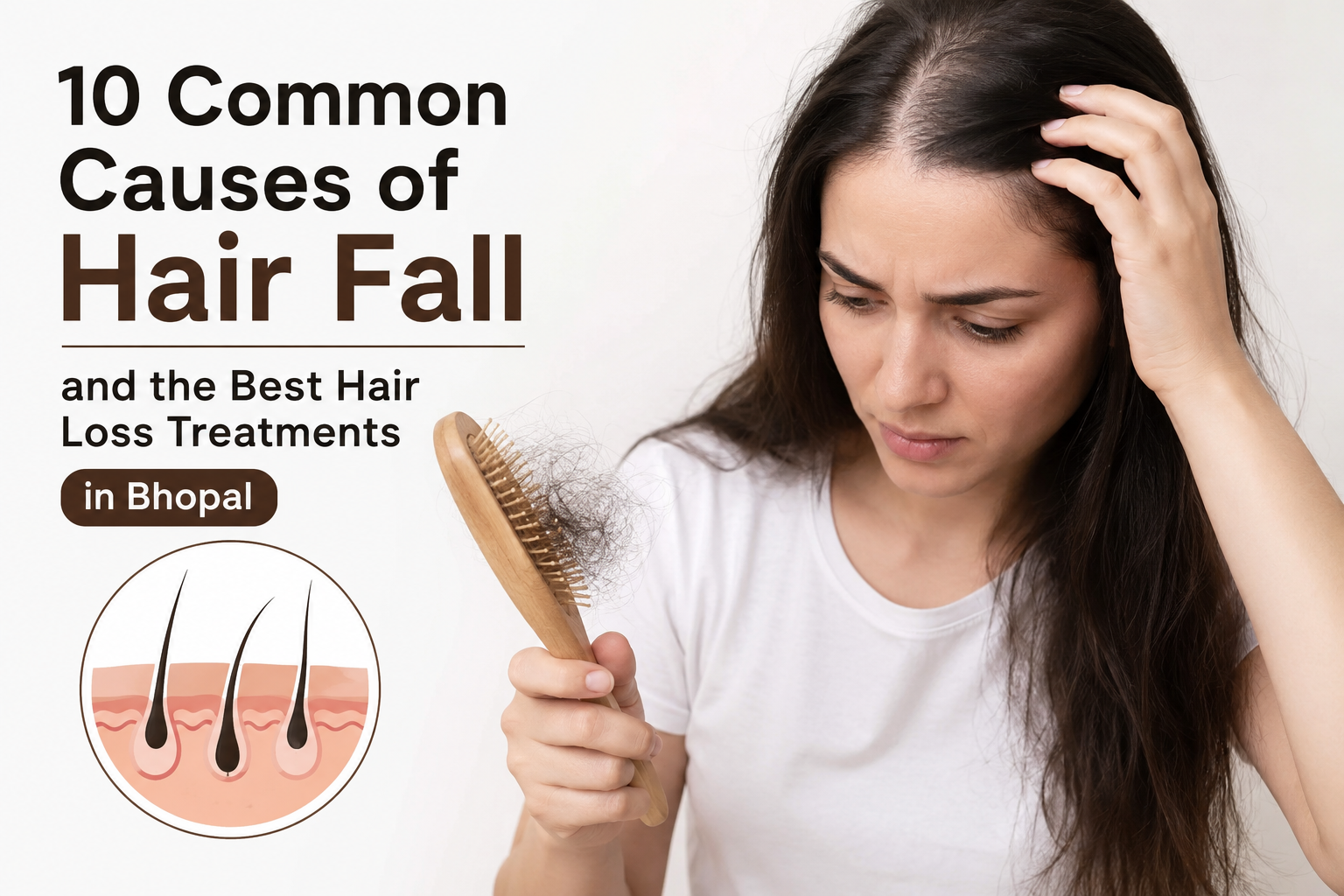
Hair fall is one of the most common concerns affecting both men and women today. While losing a few strands of hair every day is completely normal, excessive hair shedding, thinning hair, or bald patches should never be ignored. Hair loss can affect your appearance, confidence, and emotional well-being. Fortunately, not every type of hair fall is permanent, and many conditions can be treated successfully with the right diagnosis and timely care. The causes of hair loss vary from person to person. Genetics, hormonal imbalance, stress, nutritional deficiencies, scalp infections, and certain medical conditions are among the most common reasons. Identifying the exact cause is the first and most important step because every patient requires a different treatment plan. Using random hair oils or over-the-counter products without understanding the underlying problem may delay proper treatment. Choosing professional Hair Loss Treatment in Bhopal allows you to receive a detailed scalp examination, accurate diagnosis, and evidence-based treatment designed specifically for your condition. Whether you are experiencing excessive hair fall, hair thinning, alopecia, or poor scalp health, early consultation with a qualified dermatologist often leads to better outcomes.
Many patients from Gulmohar, Shahpura, Arera Colony, Kolar Road, Danish Nagar, Trilanga, MP Nagar, and nearby areas visit Dr. Prerna Sharma for personalized hair care solutions because early treatment helps protect existing hair follicles and supports healthier hair regrowth before hair loss becomes more advanced.
What Is Hair Fall?
Hair fall is a natural part of the hair growth cycle. Every hair strand passes through three stages growth (anagen), transition (catagen), and resting (telogen). Once the resting phase ends, the old hair sheds naturally to make room for new hair growth. On average, losing 50 to 100 hairs per day is considered normal. Since new hairs continue to grow, most people do not notice any visible reduction in hair volume during this process.
However, when hair shedding becomes excessive or new hair fails to replace the lost strands, noticeable hair thinning may occur. This condition often requires medical evaluation to determine the underlying cause.
Common warning signs include:
- Hair collecting on your pillow or comb every day
- Excessive hair fall during washing
- A widening hair parting
- Visible scalp through thinning hair
- Receding hairline
- Bald patches
- Reduced hair volume
- Persistent scalp itching or dandruff
If these symptoms continue for several weeks, it is advisable to consult a Hair Specialist in Bhopal rather than relying on home remedies alone. Early diagnosis often improves the success of Hair Loss Treatment in Bhopal and helps prevent further hair follicle damage.
Why Does Hair Fall Happen?
Hair loss rarely has a single cause. In many patients, several medical, hormonal, nutritional, and lifestyle factors work together to affect the hair growth cycle. Understanding these causes is essential because successful treatment depends on identifying the exact reason behind the problem. Some people develop male pattern baldness because of genetics, while others experience female pattern hair loss due to hormonal changes. Similarly, excessive stress, nutritional deficiency, thyroid disorders, scalp infections, dandruff, poor sleep, crash dieting, or certain medications may all contribute to excessive hair fall.
Healthy hair depends on healthy hair follicles, proper blood circulation, balanced hormones, good scalp health, and adequate nutrition. When any of these factors are disturbed, hair growth slows down and hair shedding increases. Instead of guessing the cause, a dermatologist performs a detailed scalp examination and recommends appropriate investigations whenever necessary. Patients looking for Hair Fall Treatment in Bhopal benefit from personalized diagnosis because every treatment plan is based on the individual’s scalp condition, medical history, and hair growth pattern.
10 Common Causes of Hair Fall
1. Genetic Hair Loss (Male & Female Pattern Baldness)
Genetics is one of the most common reasons for long-term hair loss. If your parents or close family members have experienced baldness or thinning hair, your chances of developing similar problems are higher.
In men, this condition usually appears as a receding hairline and thinning at the crown. In women, it commonly causes gradual thinning over the top of the scalp while preserving the frontal hairline. These conditions are known as male pattern baldness and female pattern hair loss.
Common Symptoms:
- Gradual thinning of hair
- Receding hairline
- Increased scalp visibility
- Reduced hair density
- Family history of baldness
Since genetic hair loss usually progresses over time, delaying treatment may lead to permanent hair follicle damage. Early Hair Regrowth Treatment in Bhopal can help slow progression, improve hair density, and preserve existing hair. If you notice gradual thinning, consult a Hair Doctor in Bhopal before the condition becomes advanced.
2. Hormonal Imbalance
Hormones play an important role in maintaining healthy hair growth. When hormone levels change, the normal hair growth cycle may become disturbed, leading to excessive hair shedding and hair thinning. Women frequently experience hormonal hair loss due to Polycystic Ovary Syndrome (PCOS), pregnancy, menopause, or thyroid disorders. Men may also experience hormonal influences contributing to male pattern baldness.
Common Symptoms:
- Diffuse hair thinning
- Irregular menstrual cycles
- Acne
- Oily skin
- Weight changes
- Increased facial hair in women
Treating only the hair without correcting the hormonal imbalance often produces temporary results. Therefore, proper diagnosis is essential before starting Hair Loss Treatment in Bhopal. A dermatologist may recommend blood tests or additional medical evaluation before preparing a personalized treatment plan.
3. Stress and Anxiety
Modern lifestyles have made stress-related hair loss increasingly common. Emotional stress, work pressure, lack of sleep, major illness, surgery, or sudden emotional trauma can push a large number of hair follicles into the resting phase. This condition is known as Telogen Effluvium. Hair fall often begins two to three months after the stressful event, making it difficult for many people to identify the real cause.
Common Symptoms
- Sudden increase in daily hair fall
- Hair shedding while washing or combing
- Diffuse thinning across the scalp
- Reduced hair volume
- No obvious bald patches
The good news is that stress-related hair loss is often reversible when the underlying trigger is managed properly. Along with stress management techniques, balanced nutrition, and scalp care, a dermatologist may recommend suitable Scalp Treatment in Bhopal, medications, or PRP Hair Treatment in Bhopal if necessary.
4. Nutritional Deficiencies
Your hair needs proper nutrition to grow strong and healthy. When the body lacks essential nutrients, it gives priority to vital organs, and hair growth may slow down. As a result, excessive hair fall, weak hair shafts, and poor hair quality can develop.
The most common nutritional deficiencies linked to hair loss include:
- Iron deficiency
- Protein deficiency
- Vitamin D deficiency
- Vitamin B12 deficiency
- Zinc deficiency
- Biotin deficiency (only in selected cases)
People following crash diets, strict weight-loss plans, or unhealthy eating habits are at a higher risk of nutritional hair loss.
Common Symptoms
- Excessive hair fall
- Hair thinning across the scalp
- Weak and brittle hair
- Slow hair growth
- Fatigue and low energy (in some cases)
Instead of taking supplements without medical advice, consult a Hair Specialist in Bhopal for proper evaluation. Blood investigations can help identify deficiencies so that targeted treatment can begin. Along with Hair Loss Treatment in Bhopal, correcting nutritional deficiencies often improves overall scalp health and supports natural hair regrowth.
5. Thyroid Disorders
The thyroid gland plays a vital role in controlling metabolism and many body functions, including the hair growth cycle. Both hypothyroidism (underactive thyroid) and hyperthyroidism (overactive thyroid) can cause noticeable hair loss. When thyroid hormone levels become abnormal, hair follicles may enter the resting phase earlier than normal, leading to widespread hair shedding.
Common Symptoms
- Diffuse hair thinning
- Dry, brittle hair
- Slow hair growth
- Fatigue
- Weight changes
- Dry skin
- Sensitivity to cold or heat
Hair loss caused by thyroid disorders usually improves once thyroid levels are properly managed. However, many patients also benefit from personalized Hair Fall Treatment in Bhopal to support faster recovery of healthy hair growth. If hair fall is accompanied by unexplained weight changes or persistent fatigue, it is advisable to consult both your physician and a Hair Doctor in Bhopal.
6. Dandruff and Scalp Infections
A healthy scalp is essential for healthy hair growth. Conditions such as dandruff, fungal infections, bacterial infections, and inflammatory scalp diseases may weaken hair follicles and increase hair shedding. Persistent dandruff often causes itching and scratching, which can further damage the scalp and contribute to temporary hair loss.
Common Symptoms
- Persistent dandruff
- Itchy scalp
- Redness
- Flaking skin
- Scalp irritation
- Small painful bumps
- Hair fall with itching
Ignoring scalp infections can delay hair regrowth and worsen scalp inflammation. Early diagnosis helps prevent long-term damage to hair follicles. Patients looking for Scalp Treatment in Bhopal should avoid self-medicating with medicated shampoos for prolonged periods without professional guidance. A dermatologist identifies the exact cause before recommending antifungal medications, medicated shampoos, or other appropriate therapies.
7. Pregnancy and Postpartum Hair Loss
Hair changes during pregnancy are completely normal. Many women notice thicker hair while pregnant because hormonal changes keep more hair in the growth phase. However, after childbirth, hormone levels gradually return to normal, causing many hairs to shed at the same time. This temporary condition is known as postpartum hair loss.
Common Symptoms
- Increased hair fall two to four months after delivery
- Hair shedding during washing or combing
- Reduced hair volume
- Diffuse thinning across the scalp
Although postpartum hair loss often improves naturally within several months, excessive or prolonged shedding should not be ignored. Nutritional deficiencies, thyroid disorders, or anemia may also contribute to continued hair fall. Women experiencing persistent hair loss after pregnancy should consult a Hair Specialist in Bhopal for proper evaluation. Personalized Hair Regrowth Treatment in Bhopal, nutritional guidance, and scalp care may help restore healthy hair growth more effectively.
8. Excessive Heat Styling and Chemical Treatments
Frequent use of hair straighteners, curling irons, blow dryers, hair colors, bleaching agents, and chemical smoothening treatments can gradually weaken the hair shaft. Although these procedures mainly damage the hair strand rather than the hair root, repeated exposure may also affect overall scalp health and increase hair breakage, making hair appear thinner over time. Excessive heat removes natural moisture from the hair, leaving it dry, brittle, and more likely to split or break.
Common Symptoms
- Dry and rough hair
- Split ends
- Hair breakage
- Increased hair shedding after styling
- Loss of shine
- Weak hair texture
If your hair has become damaged after repeated chemical treatments, avoid further harsh procedures until your hair recovers. A Hair Doctor in Bhopal can recommend medical hair care products, scalp treatments, and personalized Hair Fall Treatment in Bhopal to improve scalp health and reduce ongoing damage.
9. Certain Medications and Medical Conditions
Hair loss can sometimes occur as a side effect of medications or because of underlying medical conditions. In these cases, treating only the hair may not solve the problem unless the root cause is identified.
Certain medicines that may contribute to hair fall include:
- Blood pressure medications
- Blood thinners
- Chemotherapy drugs
- Some antidepressants
- Hormonal medicines
- Vitamin A overdose
Medical conditions that may trigger hair loss include:
- Autoimmune diseases
- Severe infections
- High fever
- Diabetes
- Lupus
- Anemia
Common Symptoms
- Sudden excessive hair shedding
- Diffuse hair thinning
- Patchy hair loss
- Hair loss after starting new medication
- Slow hair regrowth
Never stop prescribed medicines without consulting your physician. Instead, visit a Hair Specialist in Bhopal who can identify whether medication, illness, or another factor is contributing to the problem and recommend suitable Hair Regrowth Treatment in Bhopal. Patients from Rohit Nagar, Katara Hills, BHEL, and surrounding areas often seek professional advice when hair fall begins after recovering from illness or starting long-term medication.
10. Poor Hair Care Routine and Lifestyle Habits
Daily habits have a major influence on hair health. An unhealthy lifestyle may not cause immediate baldness, but over time it can weaken hair follicles and contribute to excessive hair fall.
Common lifestyle factors include:
- Poor sleep
- Smoking
- Excessive alcohol consumption
- Crash dieting
- Irregular meals
- Tight hairstyles
- Poor scalp hygiene
- Using unsuitable hair products
These habits may disturb the normal hair growth cycle, reduce scalp nourishment, and weaken growing hair.
Common Symptoms
- Gradual hair thinning
- Weak hair strands
- Excessive hair shedding
- Dry scalp
- Dull hair
- Slow hair growth
Simple lifestyle improvements combined with professional Hair Loss Treatment in Bhopal often produce better long-term results than relying only on cosmetic products. If you notice continuous hair fall despite maintaining a healthy routine, consult a Hair Clinic in Bhopal for proper diagnosis.
How Can You Prevent Hair Fall Naturally?
Although not every type of hair loss can be prevented, healthy daily habits can reduce the risk of excessive hair fall and support stronger hair growth.
Eat a Balanced Diet
Healthy hair needs proteins, vitamins, minerals, and healthy fats. Include green leafy vegetables, fruits, eggs, pulses, dairy products, nuts, seeds, and whole grains in your meals.
Increase Protein Intake
Hair is primarily made of protein. Eating enough protein every day helps maintain healthy hair follicles and supports continuous hair growth.
Correct Iron and Vitamin Deficiencies
Iron deficiency is one of the leading causes of hair loss, especially in women. Vitamin D, Vitamin B12, and zinc are also important for maintaining healthy hair. Always take supplements only after medical evaluation.
Stay Hydrated
Proper hydration supports scalp health and improves nutrient delivery to the hair follicles.
Sleep Well
Aim for 7–8 hours of quality sleep each night. Good sleep supports hormone balance, tissue repair, and healthy hair growth.
Manage Stress
Yoga, meditation, deep breathing exercises, walking, and regular physical activity help reduce stress-related hair loss.
Follow Gentle Hair Care
Use a mild shampoo suitable for your scalp type. Avoid excessive heat styling, tight hairstyles, and harsh chemical treatments whenever possible.
Maintain Good Scalp Hygiene
Keeping the scalp clean helps prevent dandruff, scalp infections, and inflammation that may contribute to excessive hair fall.
Many patients visiting for Hair Fall Treatment in Bhopal are advised to improve their daily hair care routine alongside medical treatment because lifestyle changes enhance long-term results.
When Should You Visit a Hair Specialist in Bhopal?
Occasional hair shedding is normal. However, persistent or sudden hair loss should always be evaluated by a dermatologist.
Consult a Hair Specialist in Bhopal if you notice:
- Sudden excessive hair fall.
- Hair thinning that continues for several weeks.
- Receding hairline.
- Bald patches or alopecia.
- Hair fall after illness or surgery.
- Persistent dandruff.
- Scalp itching or redness.
- Painful scalp swelling.
- Hair breakage despite good hair care.
- Family history of male or female pattern baldness.
How Long Does Hair Loss Treatment Take?
One of the most common questions patients ask is how quickly they will see results. The answer depends on the cause of hair loss, the chosen treatment, and how consistently the treatment plan is followed.
Generally:
- Hair fall may begin reducing within 6–8 weeks.
- Early hair regrowth is often visible after 3–4 months.
- Significant improvement may take 6–12 months.
- Maintenance treatment may be recommended for long-term results.
Hair growth occurs gradually because every hair follicle follows its own natural growth cycle. Therefore, patience and regular follow-up appointments are essential. Patients receiving Hair Loss Treatment in Bhopal are advised to continue treatment as recommended, even if improvement seems slow initially. Stopping treatment too early may reduce long-term benefits.